HomeDronesDrone Photography: Capturing Sri Lanka’s Beauty from Above
Drone Photography: Capturing Sri Lanka’s Beauty from Above
Introduction
Sri Lanka is breathtaking from the ground, but seeing it from above reveals a completely different perspective. Drone photography has opened up incredible opportunities to capture our island’s stunning beauty in ways that were once only possible with expensive helicopters.
Our island offers some of the most diverse landscapes in the world. Imagine capturing the misty tea plantations of Nuwara Eliya with the morning sun breaking through the clouds. Picture the turquoise waves crashing against golden beaches in Mirissa, or the ancient temples of the cultural triangle surrounded by lush green jungle. These aerial perspectives transform familiar scenes into breathtaking art. Drone technology has democratized aerial photography, placing professional-quality capabilities into the hands of enthusiasts and making it possible for anyone to explore creative aerial perspectives.
Consider the Material
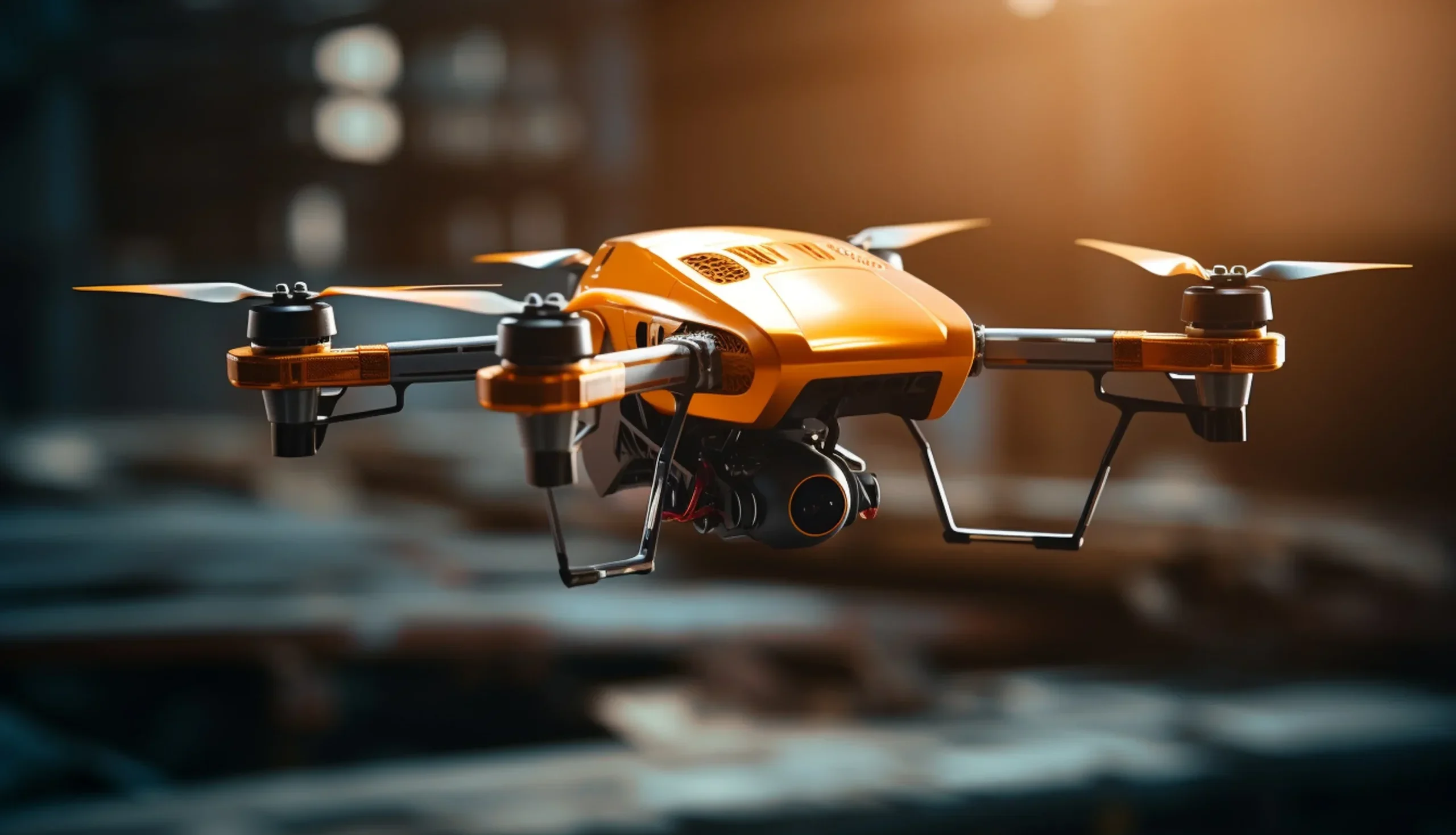
Modern drones combine sophisticated technology with user-friendly operation. Understanding the materials and construction helps you appreciate these remarkable flying cameras and choose equipment suited to your needs.
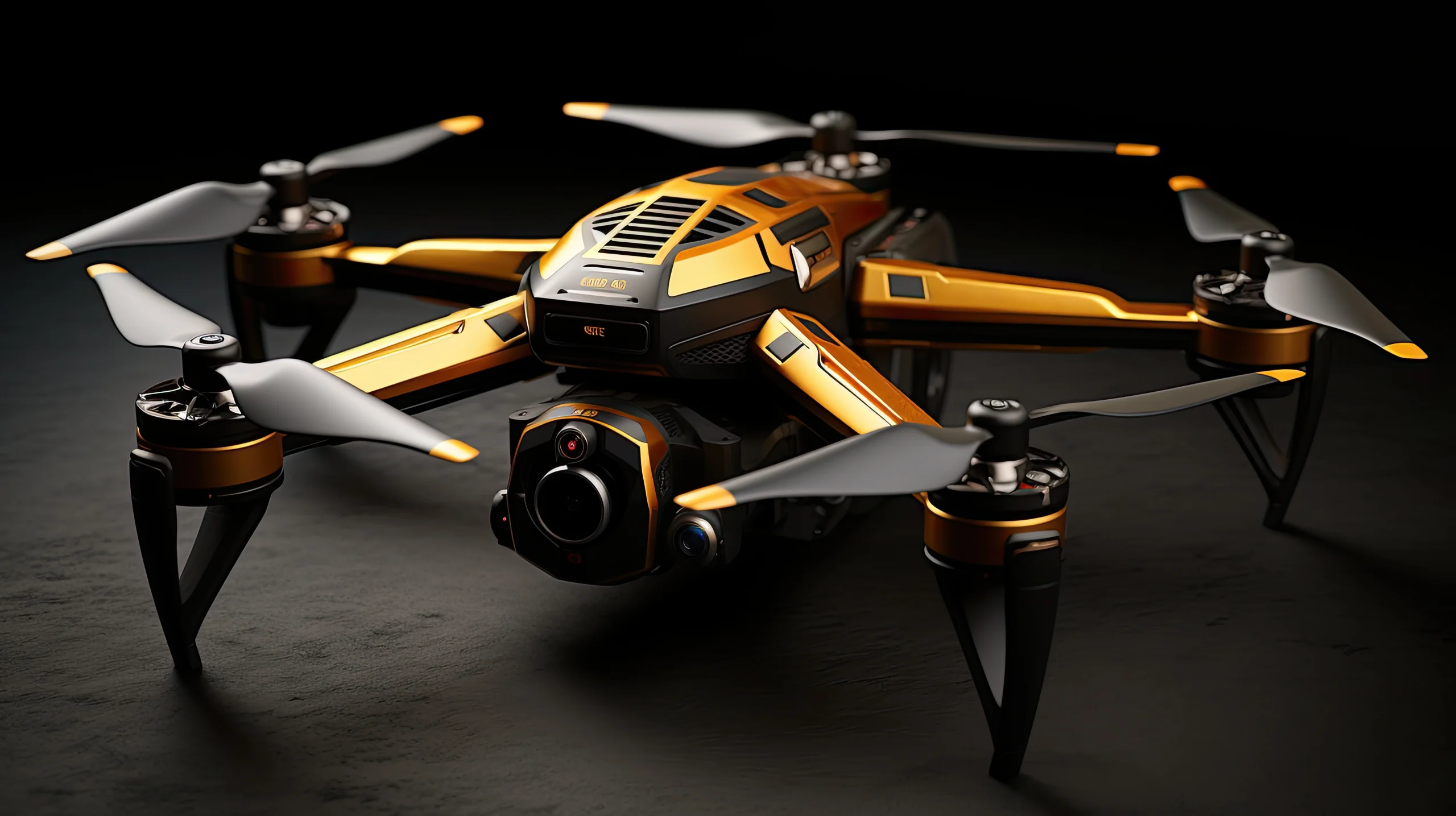
Quality drones feature lightweight yet durable construction using carbon fiber reinforced plastics and aluminum alloys. The frame must be strong enough to protect expensive electronics during minor crashes while remaining light enough for efficient flight. Gimbal systems use precision bearings and motors to stabilize cameras, counteracting drone movement to produce smooth, professional footage.
Camera Technology
The camera represents the heart of any photography drone. Entry-level drones typically feature fixed cameras with modest sensors adequate for learning and casual photography. Mid-range models incorporate larger sensors with better low-light performance and higher resolution. Professional drones carry cinema-quality cameras with interchangeable lenses and advanced color science.
Flight Systems and Safety
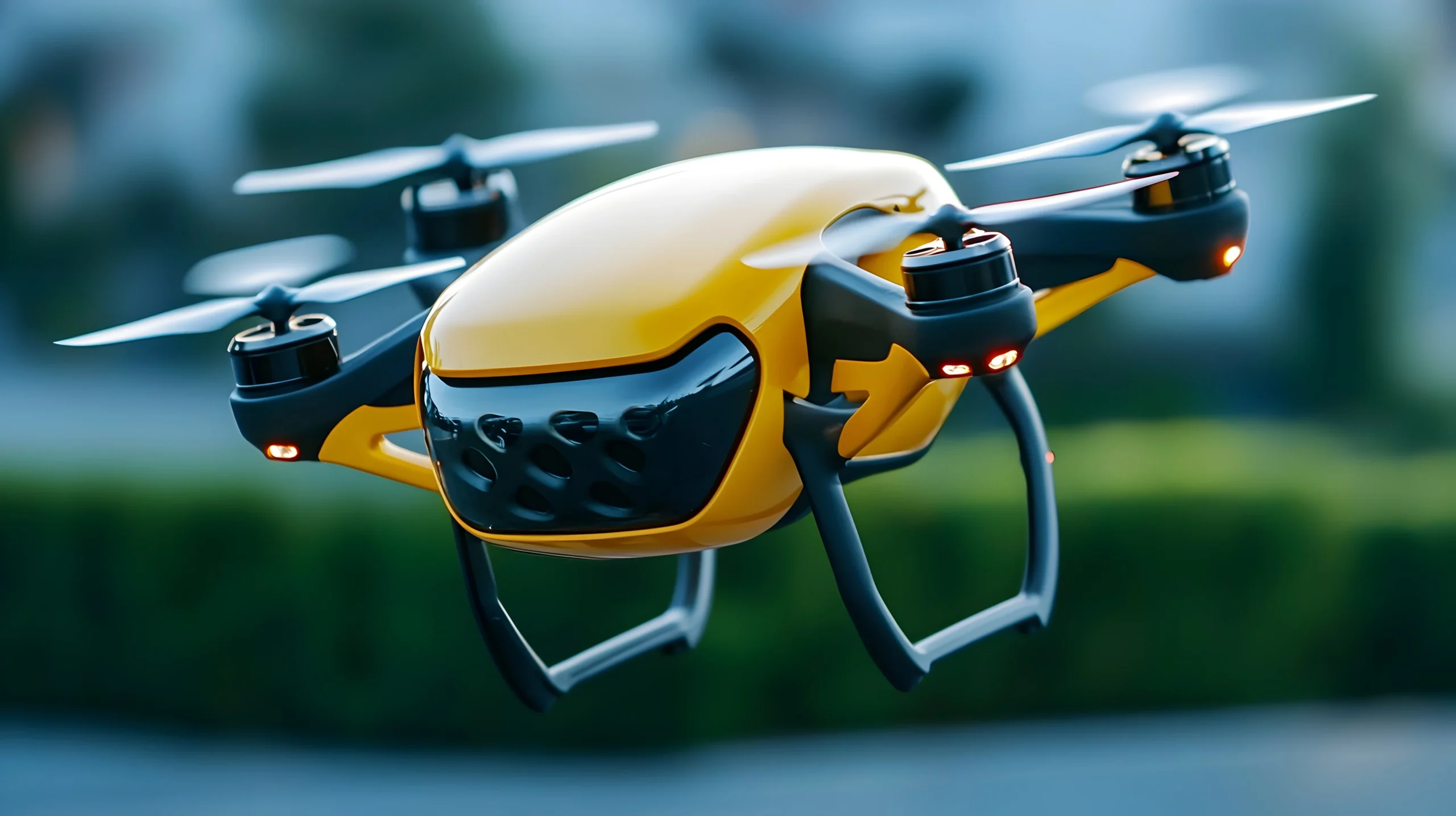
GPS positioning systems allow drones to hover precisely and return home automatically if signal is lost or battery runs low. Obstacle avoidance sensors prevent crashes by detecting objects in the flight path. These safety features transform drones from difficult-to-fly aircraft requiring constant attention into stable platforms that handle themselves while you focus on photography.
Coastal Paradise
Our coastline stretches for over 1,600 kilometers with stunning beaches, bays, and marine environments. Aerial perspectives reveal patterns invisible from ground level—wave formations, coastal erosion, coral reefs visible through clear water, and the interplay between land and sea. The best coastal photography happens during golden hour when the low sun creates long shadows and warm tones that make beaches glow.
"Displaying your collection lets you enjoy it daily, but requires thoughtful planning."
Monica Belluccina CEO
Practical Functionality
Success in drone photography requires understanding both technical operation and artistic principles. Mastering these elements elevates your work from snapshots to compelling images.
Protect Your Investment
Drones represent significant investments requiring careful handling and maintenance. Proper care ensures years of reliable operation and protects resale value if you eventually upgrade.
Always conduct pre-flight inspections before launching. Check propellers for cracks or damage—even small defects cause vibrations affecting video quality and potentially leading to failure. Ensure batteries are fully charged and properly seated. Verify GPS lock shows adequate satellites for stable positioning. Inspect gimbal for free movement without obstructions.
Update firmware regularly as manufacturers release improvements and bug fixes. However, avoid updating immediately before important shoots—let updates prove stable before depending on them for critical work. Calibrate compass and IMU sensors according to manufacturer schedules to maintain accurate flight characteristics.














Leave a comment